
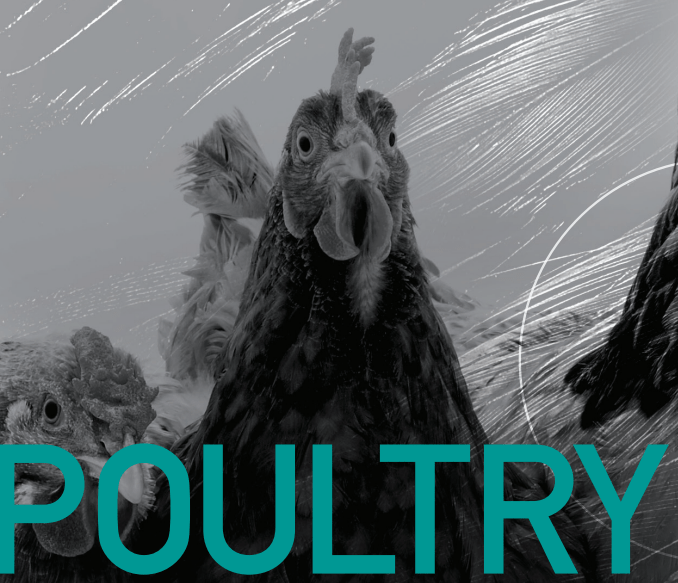
Who we are
MSD Animal Health is the leading provider of poultry vaccines and parasite control products to the African poultry industry. We are dedicated to improving and preserving the health, well-being and performance of poultry.
Today’s poultry industry demands innovative approaches to emerging diseases. At MSD Animal Health, we strive to offer products and services that make a difference for improved flock performance and profitability. Our broad vaccine range offers protection against many respiratory diseases and intestinal conditions to help improve well-being and performance. Our enriched portfolio provides innovative solutions to provide superior protection from the hatchery to
the breeding and production stages of your flock.
Cleanout and Disinfection: Ensuring Optimal Performance in Commercial Chicken Houses
Cleanout and Disinfection: Ensuring Optimal Performance in Commercial Chicken Houses
Introduction: Maintaining a clean and disinfected environment is of utmost importance in commercial chicken houses. Through regular cleanout and effective disinfection practices, the risk of disease challenges can be significantly reduced. This, in turn, provides the optimal opportunity for vaccines to perform efficiently and safeguard the health and productivity of the flock. We will explore the significance of cleanout and disinfection in commercial chicken houses and their role in reducing disease challenges.
Reducing Disease Challenge:
Prevention of Pathogen Accumulation: Commercial chicken houses are susceptible to various pathogens that can negatively impact the health of the flock. As chickens are usually kept in proximity, the risk of pathogen transmission is heightened. Effective cleanout procedures involve:
- The removal of litter and manure and any other organic material that may harbor pathogens.
- Washing of the chicken house with a high pressure hoseto ensure all residues of manure and any other organic materials are removed completely.
- Foaming the house with detergent that is effective with a contact time of more than 15 minutes. Thereafter the house should be washed completely.
- Lastly the house needs to be disinfected with appropriate disinfectant.
- This process prevents the accumulation of infectious agents, thereby reducing disease challenge.
Removal of Residual Bacteria and Viruses: Pathogens can persist in the environment for extended periods, even in the absence of live animals. Through thorough cleanout, residual bacteria and viruses can be eliminated, preventing their presence during subsequent flock cycles. This helps to break the disease cycle and minimise the chances of infection.
Optimising Vaccine Performance:
Enhanced Vaccine Efficacy: Vaccination is a vital tool in preventing and controlling diseases in commercial chicken production. Clean and disinfected environments provide the ideal conditions for vaccines to work optimally. Removing potential sources of contamination (such as faeces, dust, and feathers) through cleanout reduces the interference with vaccine administration and improves the vaccine’s ability to stimulate a protective immune response.
Reduced Vaccine Interference: A dirty and contaminated environment can hinder the effectiveness of vaccines by increasing the likelihood of vaccine failure or reduced immune system response. By properly disinfecting the chicken house after cleanout, the harmful microorganisms that could interfere with the vaccine’s performance can be eliminated. This ensures that the vaccine has the best chance to provide the desired protection against infectious agents.Conclusion: Cleanout and disinfection are critical components of maintaining the health and productivity of chickens in commercial chicken houses. By reducing disease challenge through thorough cleanout, the risks of pathogen transmission are minimised. Additionally, proper disinfection enhances the efficacy of vaccines, allowing them to provide optimal protection against pathogenic agents. Ultimately, a clean and disinfected environment contributes to the overall success of commercial poultry production.
“
The partnership we started with MSD, allowed us to start using the Protected Chick program and we are very happy! We don’t need to have the birds in stress during the water withdrawal period especially in the hot season we are. The results are better performance (daily gain and FCR).
We are also using the workers to do other activities on the farm instead of vaccinating the birds. It´s easy and simple.
”
— Marco, Mozambique
Why monitoring on farm is important?
Introduction: During brooding or rearing stage, diligent record keeping, and continuous monitoring are essential for maximizing economic returns in broiler and layer pullet production. Accurate and comprehensive records combined with regular monitoring allow producers to identify areas of improvement, optimize resource utilization, and make informed decisions that positively impact profitability. This article emphasizes the economic benefits of good record keeping and monitoring during the critical early growth stage of broilers and broiler/layer pullets.
Optimizing Resource Utilization:
Feed Efficiency and Wastage Reduction: Precise record keeping of feed consumption enables producers to evaluate feed efficiency and identify potential areas of wastage. By monitoring feed intake and comparing it to expected values, any deviations can be promptly addressed. This allows producers to identify and rectify issues such as feed formulation errors, feed delivery inconsistencies, or equipment malfunctions, resulting in improved feed conversion ratios (FCR) and reduced feed costs.
Early Detection of Issues:
Early Disease Identification and Management: Regular monitoring of mortalities and health indicators during the production cycle allows producers to quickly identify and address potential disease challenges. Timely detection and effective management of diseases can significantly reduce economic losses associated with high mortalities, decreased growth rates, and increased medication and treatment costs.
Evaluation of Chick Quality: Monitoring chick performance and mortality rates can provide valuable insights into the quality of the chicks received. By keeping detailed records of chick quality indicators (such as hatchability, hatchling weights, and vitality), producers can identify potential issues with the breeding stock, hatchery practices, or transportation methods. Addressing these issues promptly can lead to improved overall flock performance and minimize financial losses.
Improving Return on Investment (ROI):
Data-Driven Decision Making: Accurate record keeping and monitoring empower producers to make informed decisions based on solid data. By analysing growth rates, FCR, mortality rates, and other performance metrics, producers can identify patterns and trends that influence profitability. This data-driven approach allows for proactive decision making, enabling adjustments to management practices, feed formulations, and other variables to maximize ROI.
Benchmarking and Performance Analysis: Maintaining comprehensive records over time allows for benchmarking and performance analysis. By comparing flock performance across multiple cycles, producers can identify areas of improvement and implement strategies to enhance overall efficiency and profitability. This continuous improvement process can lead to more robust financial outcomes in subsequent cycles.Conclusion: During the critical early growth phase, effective record keeping, and continuous monitoring play a pivotal role in optimizing economic returns for broilers and layer pullets. By carefully monitoring and analysing data related to feed utilization, production costs, health indicators, and chick quality, producers can make informed decisions that improve resource utilization, detect, and manage issues promptly, and ultimately maximize their return on investment.
 FIND ANYTHING YOU NEED TO KNOW ABOUT BUYING A PROTECTED CHICK!